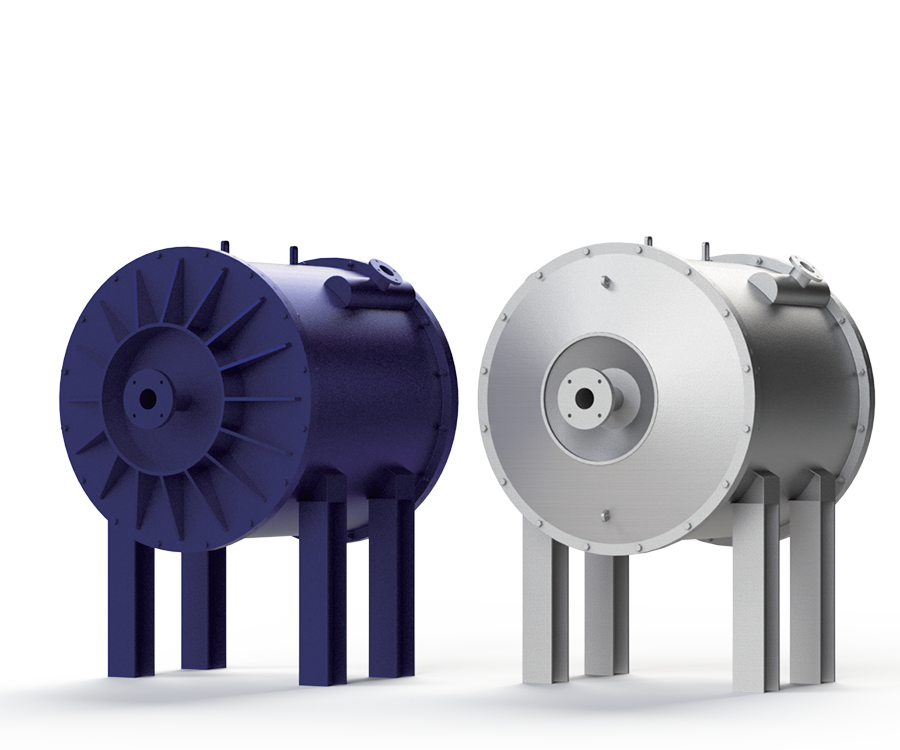
Home > Products > Spiral heat exchanger > Spiral Heat Exchanger

SPIRAL PLATE

HEAT EXCHANGER-Efficient Heat Recovery for Tough Fluids.
  • How the Spiral PHE Works

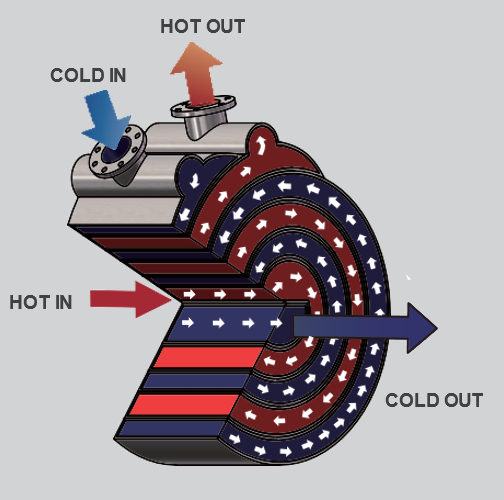
    The spiral heat exchanger features two concentric spiral flow channels that create a true counter-current flow. Typically, the hot fluid enters at the center and flows outward toward the periphery, while the cold fluid enters at the edge and flows inward toward the center. This counter-flow configuration ensures highly efficient heat transfer.(Figue 1)

    Thanks to the continuous, single-channel design, the flow remains uniform with no risk of bypassing. This layout significantly reduces fouling and allows for close temperature approaches—even temperature crossing—resulting in superior heat transfer perfor-mance compared to many conventional heat exchangers. Unlike multi-pass designs, the spiral geometry prevents flow diversion due to partial clogging, ensuring consistent operation.
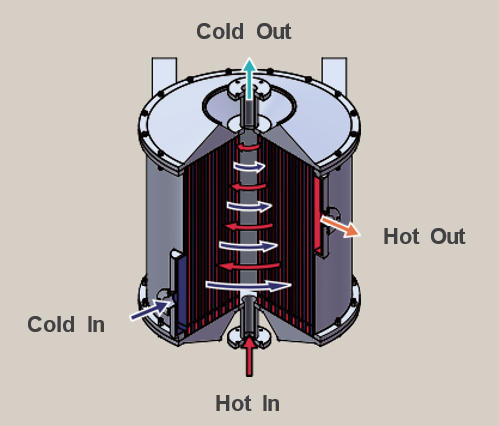
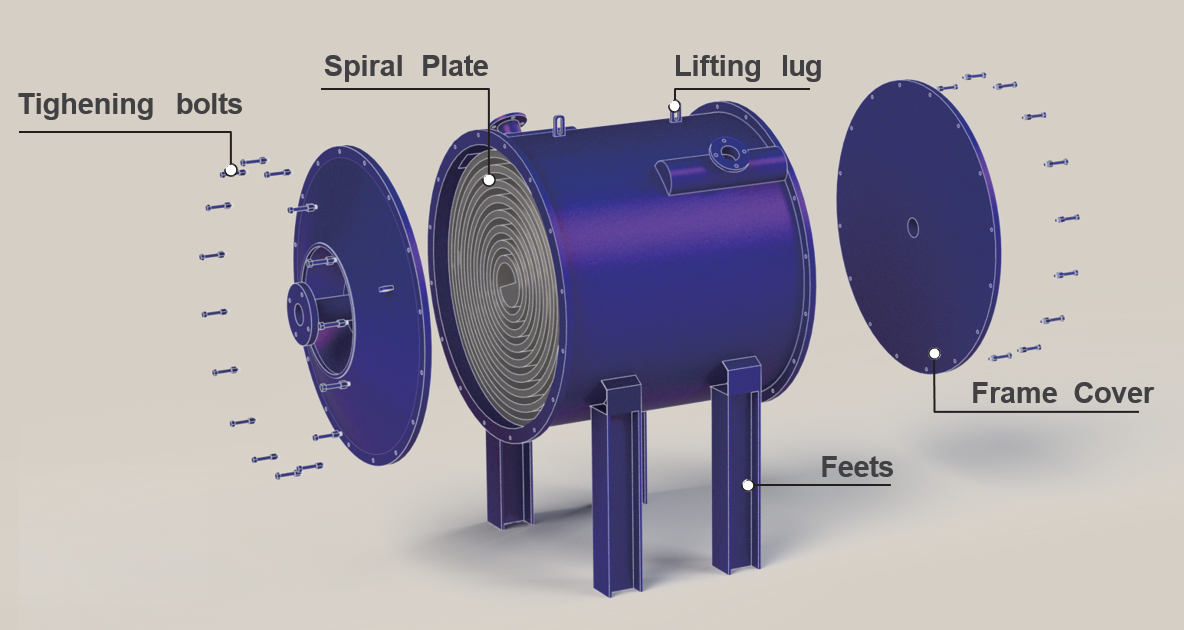
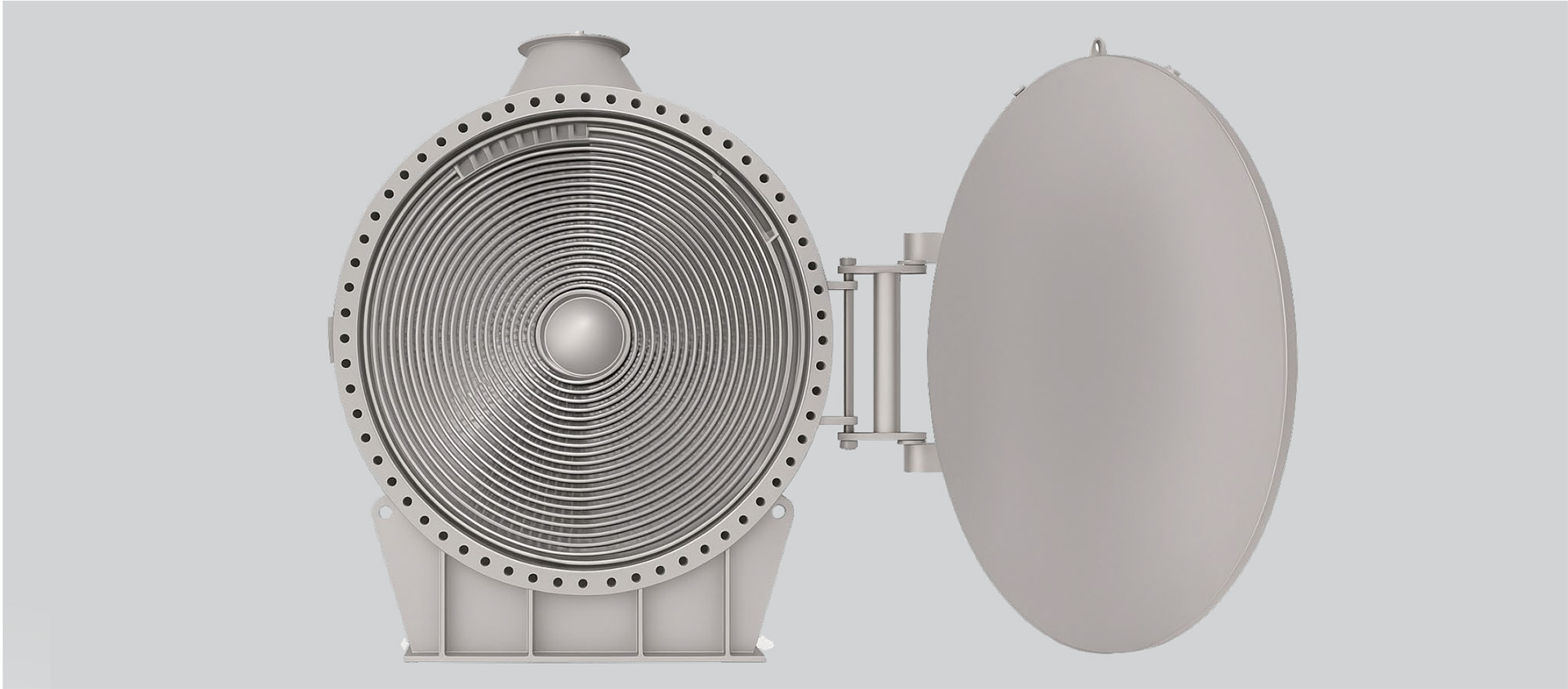
Explord View of Spiral Plate Heat Exchanger
  • Specification of Sprial PHE:

    Spiral Plate Width: 200 to 2000 mm
    Spiral Plate Thickness: 2.0 to 6.3 mm
    Channel Spacing (Plate Gap): 5 to 38 mm
    Heat Transfer Area: 1 - 500 m² per unit
    Shell Diameter: up to 2500 mm
    Design temperature: -100°C to 400°C
    Design pressure: Full vacuum to 40 barg
    Maximum heat transfer Area: 900 m2
    Shell material: Carbon steel, SS 304/ 316L
    Spiral Plate material: Carbon steel, 316L/304, Ti, 2205 Duplex, Titanium, Nickel alloys

  • Typical of Applications:

    • Petrochemical
    • Refinery
    • Steel making
    • Pulp and paper
    • Metal/ore processing
    • Wastewater treatment
    • Pharmaceutical
    • Vegetable oil processing
    • Distillery

    Materials of Construction
    • Standard: PVQ carbon steel, 304, 316L, Duplex 2205
    • Higher Alloys: 904L, 254 SMO, AL6XN, Nickel Alloys, Titanium
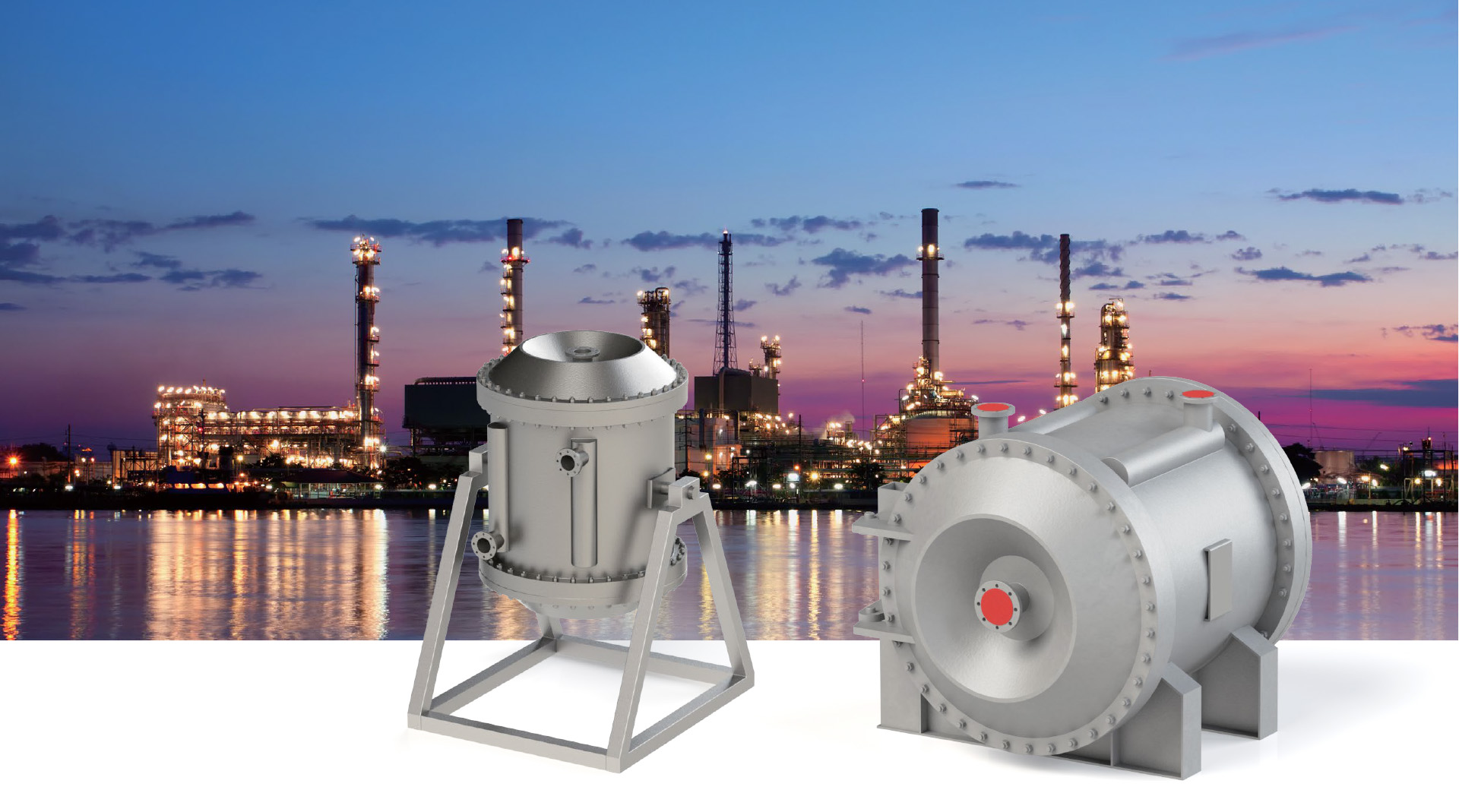
  • Tired of Heat Exchanger Downtime? Here's the Answer.
    Struggling with fouling and clogging issues?
    If your process involves sludges, slurries, emulsions, fibrous or particle-laden fluids, conventional shell-and-tube heat exchangers are often vulnerable to blockage. This results in frequent downtime, high maintenance costs, and elevated operating expenses due to increased fuel usage and pumping energy.

  • The Solution: Spiral Heat Exchangers
    Spiral heat exchangers (SHEs) are specifically designed to handle challenging liquid-to-liquid and two-phase duties where fouling is a major concern. With a robust, fully welded construction, SHEs rarely experience clogging and offer exceptionally low maintenance requirements.
    Reliable Performance You Can Trust Once you experience the durability and operational consistency of a spiral heat exchanger, it’s hard to go back. These units are field-proven across a wide range of industries, offering long-term reliability and peace of mind. With thousands of installations worldwide, many operators have already benefited from the advantages.

    Minimal Cleaning. Maximum Uptime.
    Thanks to an inherent self-cleaning effect, SHEs can operate for extend-ed periods—often several years—without the need for internal access or cleaning. In contrast, traditional shell-and-tube exchang-ers typically require frequent maintenance. When cleaning is necessary, spiral designs are easier and faster to service, reducing overall downtime.
    Boost Energy Recovery. Cut Operating Costs.
    Spiral heat exchangers maximize waste heat recovery, offering significantly higher thermal efficien-cy—often 2 to 3 times greater than comparable shell-and-tube units.This translates into substantial energy savings and lower capital investment. Additionally, SHEs require only a fraction of the pump-ing energy, further enhancing operational efficiency.
  • Efficiency That Delivers Real Value
    By upgrading to a spiral heat exchanger, you invest in a solution that delivers on all fronts: enhanced reliability, reduced maintenance, higher energy recovery, and lower total lifecycle cost—all contributing to greater process stability and profitability.

  • Lower Fuel Consumption and Emissions
    Thanks to their high-efficiency heat recovery capabilities, spiral heat exchangers (SHEs) significantly reduce the need for fossil fuel consumption—particularly in applications like steam boilers. This reduction in fuel use directly translates into lower greenhouse gas emissions from the plant.

    Reduced Installation and Material Costs
    Spiral heat exchangers require only a small portion of the space needed for conventional shell-and-tube units. Their compact footprint minimizes the need for extensive piping and steel support structures, leading to lower installation expenses.

    In many cases, a single SHE can replace two or even
    three shell-and-tube units connected in series, resulting in substantial material savings.

    Environmentally Friendly and Recyclable
    SHEs not only operate efficiently for decades (often over 30 years), but they are also environmentally responsible—up to 99% of the materials are recyclable at the end of service life.

    Fast Return on Investment
    With an SHE in place, many processes can run continu-ously for extended periods without the need for frequent shutdowns or cleaning—unlike shell-and-tube systems, which typically require more frequent maintenance. This dramatic reduction in downtime and service needs results in much shorter payback periods on your equipment investment. Ideal for New Installations and Upgrades Whether you're planning a new system or upgrading an existing one, spiral heat exchangers offer an efficient solution to improve process performance, save energy, and reduce environmental impact.
  • Key Advantages of Spiral Heat Exchangers (SHEs)
    • Minimal risk of fouling or blockage
    • Reliable, continuous performance with high uptime
    • Easy access for cleaning and maintenance, reducing service costs
    • Compact design lowers installation expenses, requiring less piping and structural support
    • Excellent heat recovery leads to significant energy savings
    • Reduced reliance on fossil fuels
    • Lower greenhouse gas emissions
    • Fast return on investment

    Typical Applications Across Industries
    • Petrochemical processing
    • Oil refining
    • Steel manufacturing
    • Pulp and paper production
    • Metal and ore processing
    • Municipal and industrial wastewater treatment
    • Pharmaceutical production
    • Edible oil refining
    • Natural gas distribution system
  • • Built-in self-cleaning function
    • Excellent heat transfer performance
    • Efficient utilization of waste heat
    • Uniform flow with no blockage

  • Self-cleaning heat exchanger
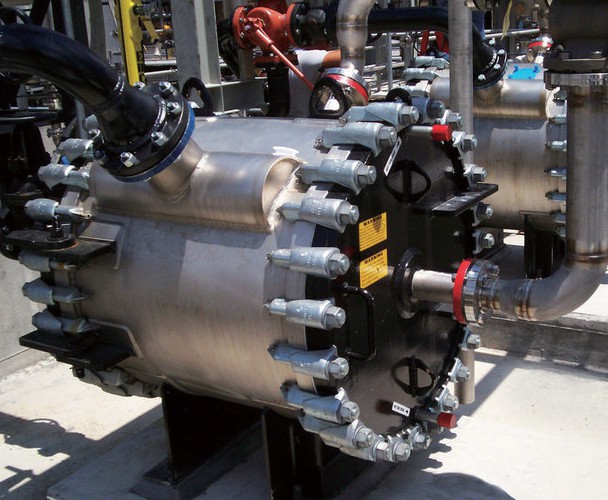
    Spiral heat exchangers (SHEs)
    feature a smart and compact design that ensures excellent heat transfer and flow performance across a wide range of fluids. Their unique structure enables a self-cleaning effect, all while maintaining a minimal footprint.
    Above: The welded single-channel design prevents any possibility of the two fluids mixing

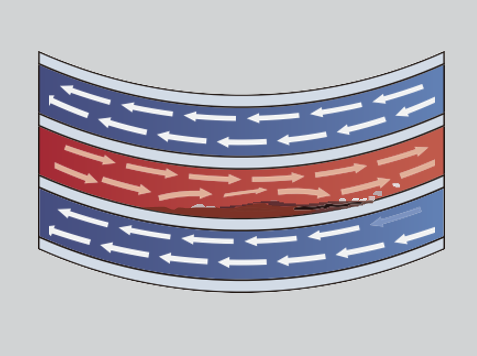
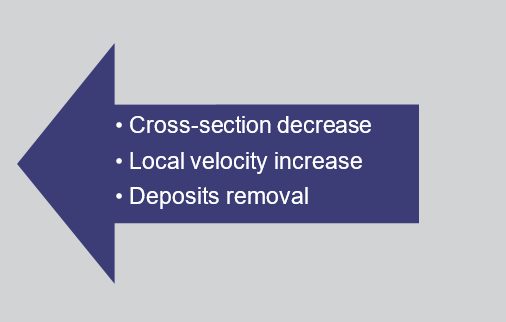
    Right: The self-cleaning mechanism that makes SHEs ideal for fouling applications. When fouling begins to form, the narrowed channel forces all flow through the restricted area, increasing velocity and creating a scrubbing action that dislodges and removes deposits.
  • How a Spiral Heat Exchanger (SHE) Works
    A spiral heat exchanger consists of two concentric spiral flow channels—one for each fluid. These channels guide the fluids in a count-er-current pattern, ensuring effective heat transfer with no risk of mixing.

    One fluid enters at the center of the unit and flows outward toward the edge, while the other fluid enters at the outer edge and moves inward to the center. The spiral channels are uniformly shaped and curved, promoting stable flow and efficient heat exchange.

    Typically, the product channel is open on one end and sealed on the other. The service channel (for heating or cooling media) may be closed on both ends, depending on the cleanliness of the fluid. Each channel features two connections—one at the center and one at the periphery of the exchanger
  • Why SHEs are ideal for fouling prone duties
    In conventional shell-and-tube heat exchangers, fouling in tubes increases pressure drop and forces the fluid to divert, leading to rapid clogging and reduced efficiency.

    SHEs prevent this issue with their single-channel design. When fouling occurs, the reduced cross-section increases fluid velocity at the blockage point. This creates a scrubbing effect that dislodges and removes deposits—essentially self-cleaning the exchanger and maintaining high performance.

    The continuous spiral geometry
    enhances turbulence, further minimizing fouling risk and making SHEs highly reliable in challenging conditions.
  • Spiral HEX Applications
    Spiral heat exchangers offer superior performance compared to conventional designs in challenging heat transfer services involving fouling fluids and slurries with high solids content — whether on one or both sides of the exchanger.
    As column-mounted condensers, they provide an elegant solution for condensing overhead vapors under vacuum, featuring extremely low pressure drop and a compact footprint.

    Single-Phase Flow – Liquid-to-Liquid Heat Transfer
    Designed to handle:
    • Fouling fluids
    • Viscous media
    • Slurries
    • Sewage sludge
    • Fluids and effluents with suspended solids or fibers

    Typical applications include:
    • Product coolers and heaters
    • Heat recovery economizers
    • Feed-to-bottoms interchangers
    • Sludge digester heaters, coolers, and pasteurizers

    Two-Phase Flow – Vapor-to-Liquid Heat Transfer
    • Condensing and cooling of vapor mixtures with inert gases
    • Steam heating of slurries and other viscous streams
  • Common duties include:
    • Steam heaters and vapor condensers
    • Overhead reflux condensers
    • Vaporizers and column reboilers

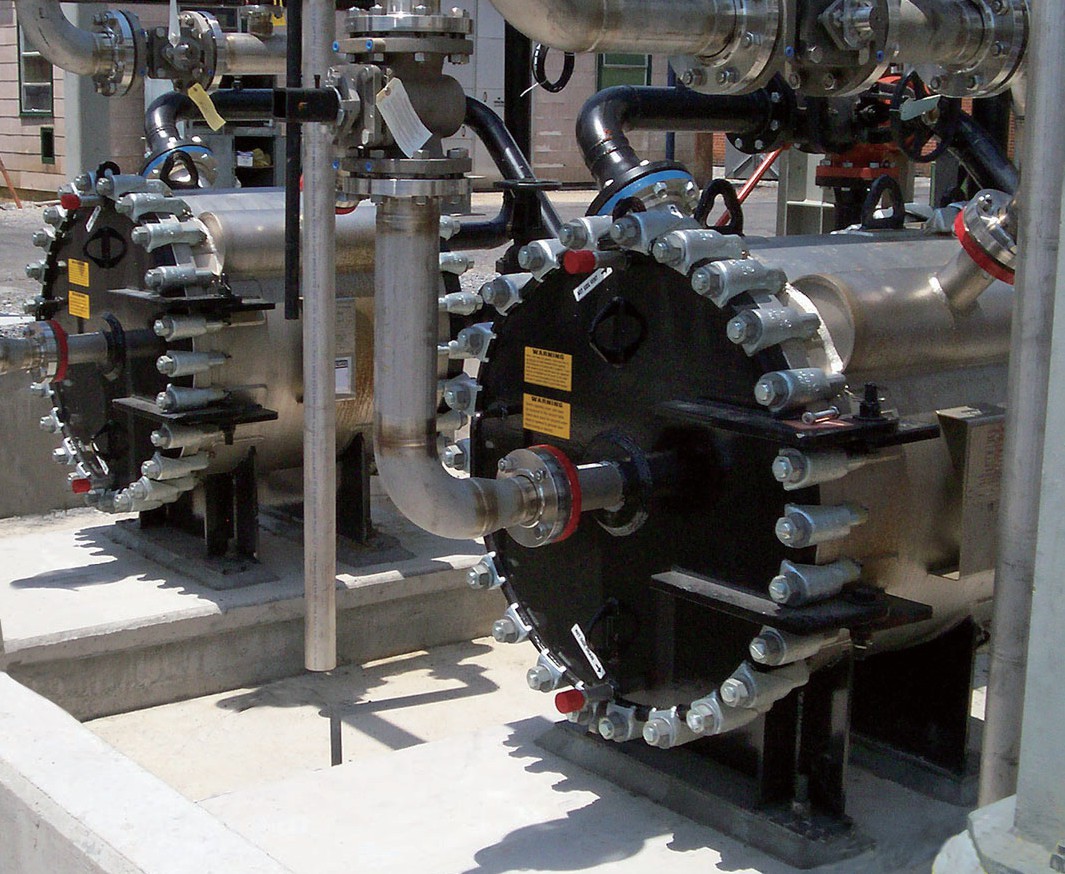
    Featured Configurations and Installations
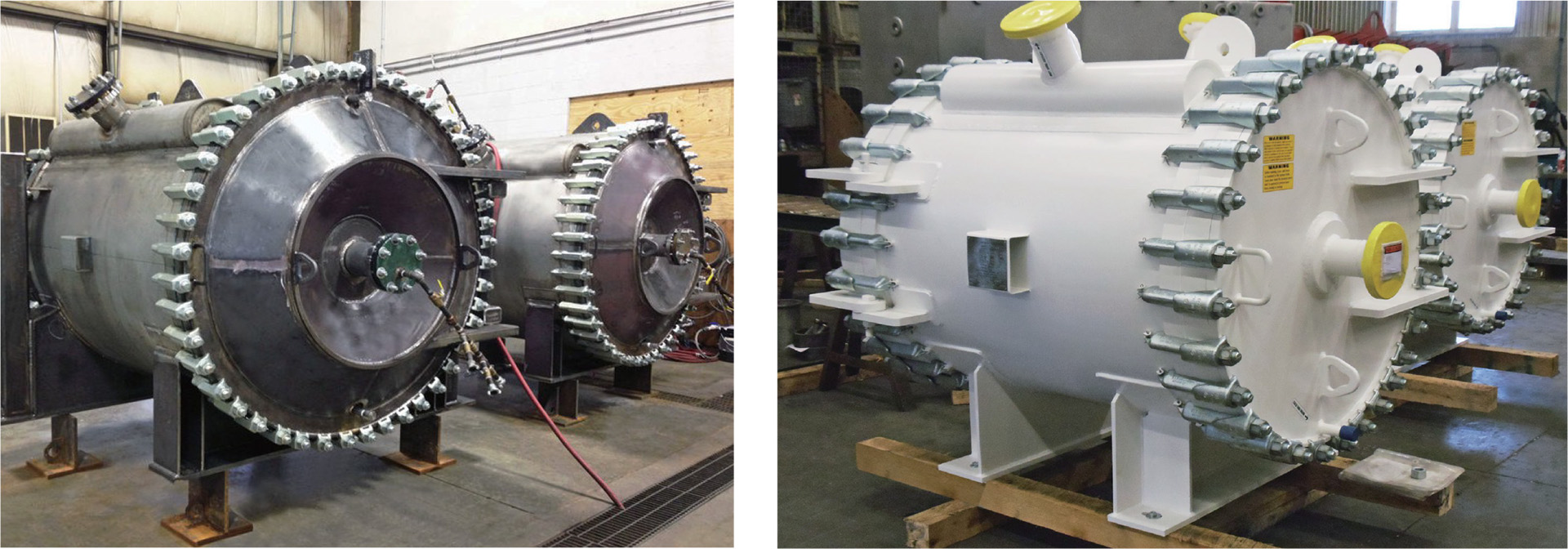
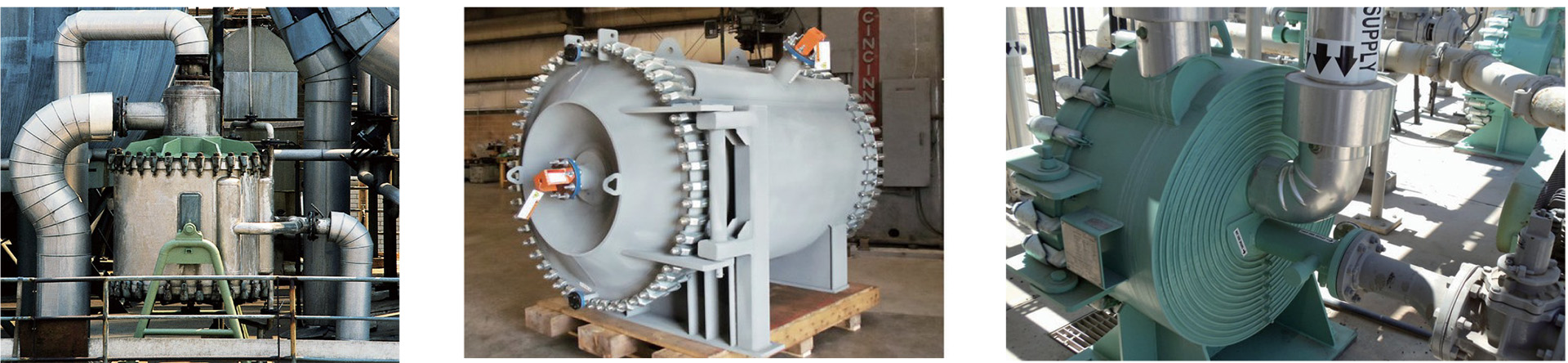
    • Type 3-V Spiral Heat Exchanger – Vapor condenser with built-in subcooler
    • Ammonia Liquor Cooler – 304/304L stainless steel
    • Overhead Reflux Condenser – 316/316L stainless steel
    • SAGD Produced Water Cooler – SA-516-70 carbon steel
    • Fermentation Media Sterilizer – AL6XN
    • Green Liquor Steam Heater – Duplex 2205
    • Slurry-to-Slurry Spiral Exchanger – Duplex 2205

    Key Industries Served
    • Chemical and hydrocarbon processing
    • Oil refining and petrochemicals
    • Oil sands (SAGD) and heavy oil recovery
    • Pulp and paper
    • Steel and coke oven gas
    • Metals, mining, and minerals (Aluminum, Copper, Zinc)
    • Edible oils and oleochemicals
    • Pharmaceuticals and biotech
    • Sugar and alcohol production
    • Renewable energy and biofuels
    • Wastewater treatment and biogas recovery
    • EPC contractors and engineering consultants